
Diving and Snorkelling on Koh Lanta
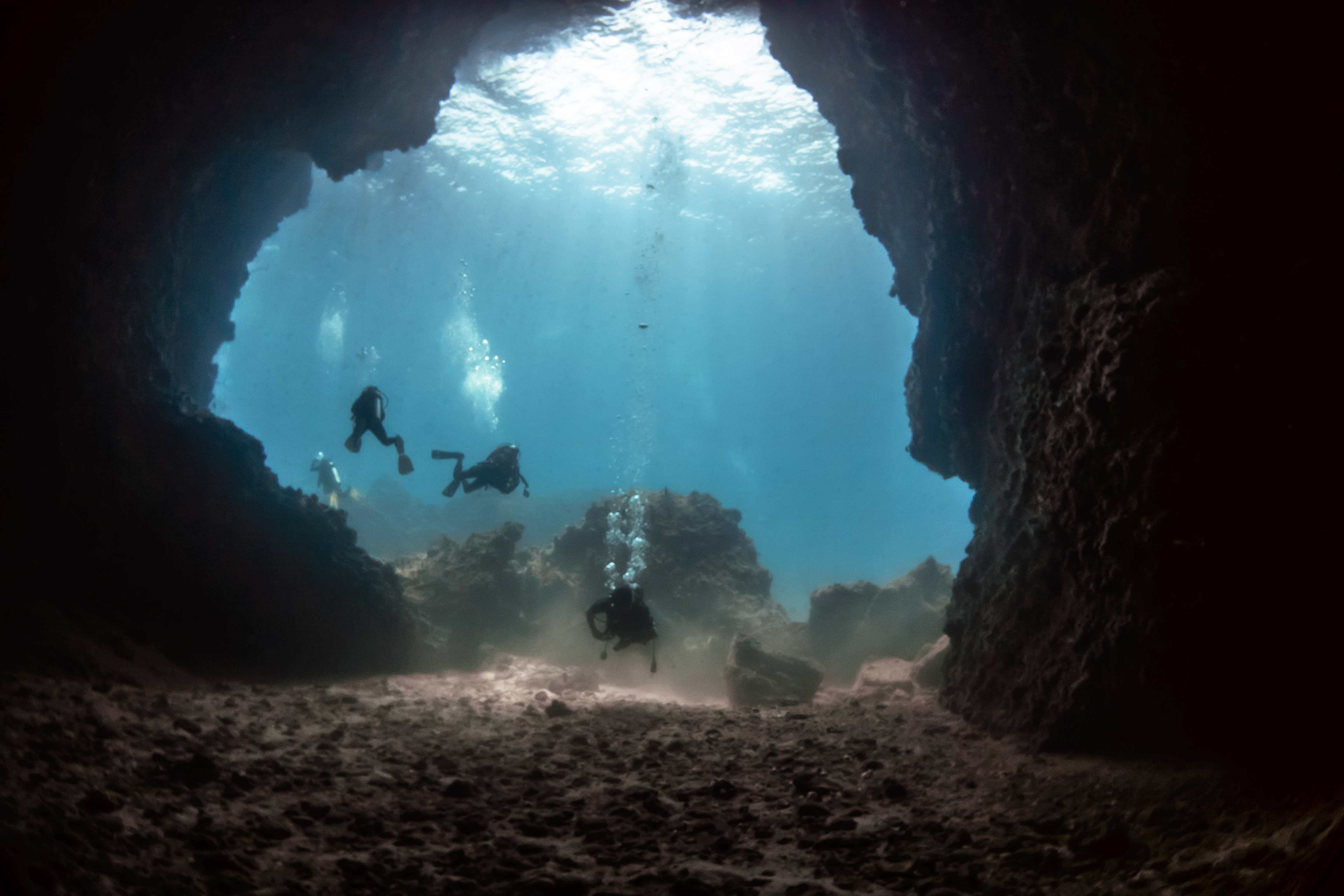
Koh Lanta sits at a useful position in the southern Andaman Sea, close to several dive sites that see far less traffic than the Similan Islands to the north. The proximity to Hin Daeng, Hin Muang, Koh Haa, and Koh Bida means day trips to quality sites are practical, and the range of conditions across these locations means both beginners and experienced divers find something suitable. Liveaboards also use Lanta as a departure point, covering all three main areas in a single trip.
Getting Started
Not yet certified? A try dive lets you experience scuba underwater with an instructor, no certification needed. It is a good way to find out whether you want to commit to the full course before signing up for anything longer. For those who want the full qualification, PADI Open Water certification takes four days and is available in 10 languages at most dive shops on the island. If you are a snorkeller rather than a diver, many dive trips welcome snorkellers on board at a reduced rate. You share the boat and the location; the divers go deeper and you work the surface. It is a practical way to see the same sites without certification.
Hin Daeng and Hin Muang
These two submerged pinnacles sit in open water roughly 70 km south of Koh Lanta. They drop to around 60 metres, though most diving happens at shallower depths along the walls and ledges. Currents can be strong and visibility varies, making conditions less predictable than at sheltered sites. This is an advanced dive. The main draw is the marine life. Manta rays are frequently seen here, sometimes several at once, along with leopard sharks, barracuda, tuna, and large groupers. Batfish, clown triggerfish, cuttlefish, and octopus are common. Whale sharks appear occasionally. Hin Daeng in particular has a reputation for large pelagic encounters. Both sites are reached by day trip from Koh Lanta (roughly two to three hours each way) or included on liveaboard itineraries.
Koh Haa
Five small granite islands about 40 km south of Koh Lanta, Koh Haa offers some of the clearest water in the area and suits a wider range of skill levels than the open-ocean pinnacles. The outer walls drop steeply and are covered in soft corals and sea fans. Large schools of barracuda are a regular feature, and seahorses have been spotted at depth. Inside the largest island, Koh Haa Yai, there is a remarkable cave known as the Cathedral: a two-chamber cavern with its main entrance at around 14 metres depth and shallower openings that reach the surface. Divers swim in through the underwater entrance and surface inside a vast air-filled chamber where it is safe to remove regulators and breathe the cave air, with natural light filtering down from above. There is also a chimney dive nearby, a narrow passage rising through the rock that opens into a small air pocket at the top. The shallow lagoon formed between the islands is gentler, with harlequin shrimp, ghost pipefish, nudibranches, squid, mantis shrimp, moray eels, porcelain crabs, and cuttlefish. The lagoon is also suitable for snorkellers on a combined day trip.
Koh Bida (Bida Nok and Bida Yai)
Two small rocky islands south of Phi Phi, the Bida sites offer wall diving to around 28 metres alongside shallower reef sections. The variety in depth makes them accessible to a mix of skill levels: beginners can explore the shallower areas while more experienced divers work the walls. Marine life includes leopard sharks, black tip reef sharks, turtles, ghostpipefish, seahorses, nudibranches, cuttlefish, lionfish, and scorpionfish. Trevally are common. Occasional whale shark sightings have been reported. The shallower reef sections are also viable for snorkelling.
King Cruiser Wreck
The King Cruiser is a car ferry that sank on 4 May 1997 after striking Anemone Reef while operating on the Phuket to Phi Phi route. The 85-metre vessel now sits upright in around 30 metres of water, with the captain's cabin accessible at roughly 12 metres depth. The upper deck has collapsed and penetration is not recommended. Currents can be strong. The wreck is located between Phuket and Phi Phi, not directly accessible on a standard day trip from Koh Lanta; it is more commonly visited on liveaboards. The site is rated for advanced divers. Marine life includes barracuda, trevally, lionfish, scorpionfish, eels, turtles, boxfish, and nudibranches. Anemone Reef, the structure the ferry struck, is also dived independently.
Ko Kradan Wreck
A less-visited site worth knowing about: a 70-metre Japanese destroyer was sunk in an air raid in 1944 and now rests at around 25 metres depth near Ko Kradan. The wreck is largely intact and makes for an atmospheric dive with historical weight, particularly for those interested in Second World War sites in the region.
Snorkelling
Non-divers have genuine options in the area. The shallow lagoon at Koh Haa and the shallower reef sections at Koh Bida are both suitable for snorkelling and are visited on combined snorkel-and-dive day trips. Koh Rok, a small island further south of Lanta, is among the finest snorkelling spots in the region. Rainbow coral extends across approximately 1 square kilometre of reef around two islands. On a clear day the visibility and colour here is exceptional. It is popular on day excursions and worth booking a tour that goes there specifically. On Koh Lanta itself, Nui Bay is considered one of the better snorkelling spots accessible directly from shore. Snorkelling tours also depart from Klong Dao beach and require no diving certification.
Liveaboards
For those who want to cover more ground, liveaboard options depart from Koh Lanta on 2-day, 4-day, and 7-day trips. A liveaboard lets you reach more remote sites, including Hin Daeng and Hin Muang, without the daily return journey, and the extended format suits divers who want to log multiple dives each day.
Dive Shops on Koh Lanta
Several operators are based on the island, spread across different beaches. Blue Planet Divers and Lanta Fun Divers are both located in Saladan at the northern end. OK Dive Club operates from Klong Khong. Lanta Diver is based at Klong Nin beach. Go Dive operates from Kantiang Bay in the south. All offer day trips to the main sites and most provide PADI courses at various levels.
Season
The dive season runs with the broader high season, from November through April. During this period the Andaman Sea is calmer, visibility is generally better, and the full range of sites is accessible. From May through October the sea roughens significantly and most dive boats stop operating. If diving is a priority, plan around the November-to-April window.