
Weather and Best Time to Visit Koh Lanta
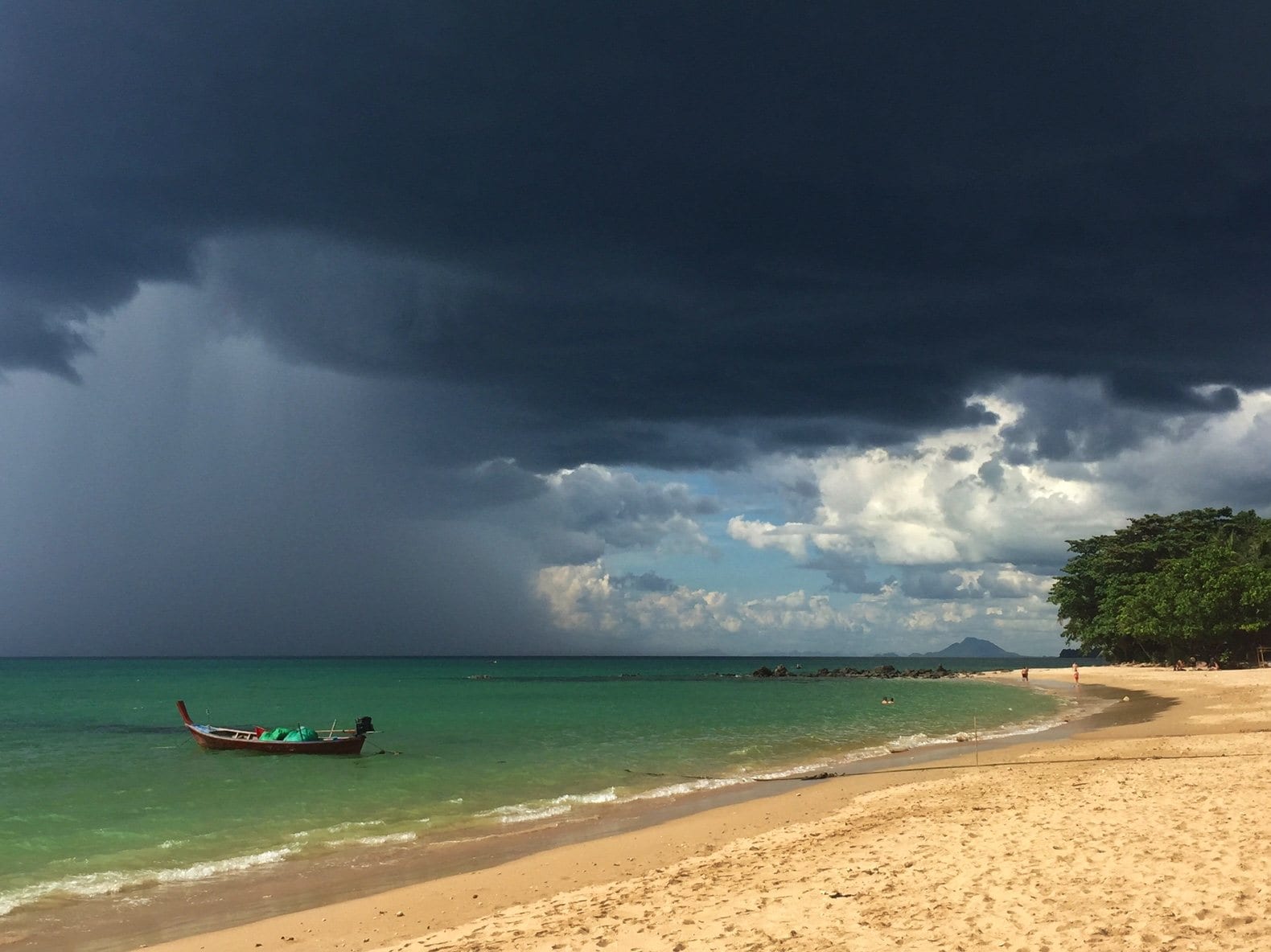
Koh Lanta sits on the west coast of the Malay Peninsula, directly exposed to the southwest monsoon. This gives it one of the more clearly defined seasons in the region.
Season Overview
| Season | Months | Conditions |
|---|---|---|
| Dry / High season | November to April | Sunny, calm seas, full services |
| Shoulder | May, October | Variable, some rain, quieter |
| Wet / Low season | June to September | Heavy rain, rough seas, most things closed |

Dry Season (November-April)
The island at its best. Sunny skies, calm seas, and low humidity relative to the rest of the year. - Temperature: 25-34°C (77-93°F) daytime
- Sea temperature: 28-31°C year-round
- November-December: still excellent; occasional brief rain as the monsoon winds down
- January-February: peak of high season. Minimal rainfall, best conditions for diving and island hopping. Also the busiest and most expensive time to visit.
- March-April: hottest and most humid months of the dry season. Still great beach weather but expect heat. April is Songkran (Thai New Year, mid-April), so expect water fights and some disruption. All ferry services run, every business is open, and accommodation prices are at their highest. Book ahead.
Wet Season (June-September)
The southwest monsoon brings heavy rain, strong winds, and rough seas. September is typically the wettest month. - Rain usually comes in heavy short bursts rather than all-day drizzle; dry intervals are common
- Many ferry services to Phi Phi and Phuket are suspended; the Krabi ferry usually continues with reduced frequency
- Around 80% of tourist-facing businesses close, especially beachfront bars and restaurants
- What stays open: Saladan, parts of Long Beach (Phra Ae), and Klong Dao have year-round businesses; pharmacies, dive shops, and some restaurants remain open
- Advantages: dramatically cheaper accommodation, far fewer tourists, lush green landscape
If you are a confident traveller comfortable with uncertainty about weather and limited transport options, low season has real appeal. Otherwise, avoid June through September.
Shoulder Months (May and October)
May: the monsoon is arriving but conditions are still variable. Some ferry routes are reduced. Accommodation is noticeably cheaper than high season. A viable choice if you want the island quieter. October: conditions are improving. A good month for those who want to catch the tail end of lower prices before high season kicks in from November.
Temperature by Month (approximate)
- Coolest: November to January, averaging 25-28°C daytime
- Hottest: March to May, averaging 32-35°C daytime
- Humidity is high year-round but less oppressive from November through February