
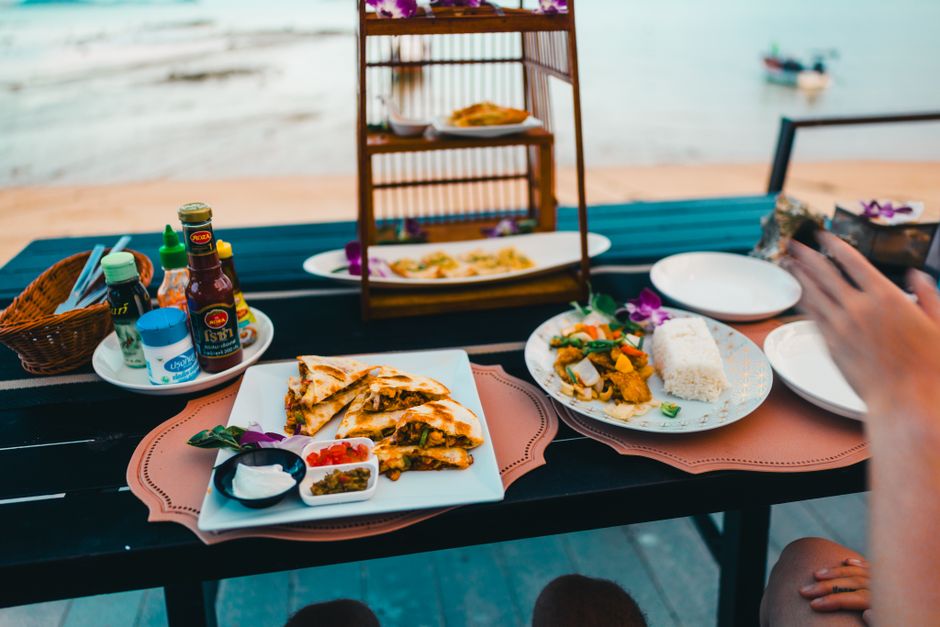
Photo: Ali Kazal / Pexels
Dine and Dash in Thailand: What Tourists Should Know
A growing number of deliberate non-payment incidents at restaurants across Thailand's tourist areas has put small, family-run eateries under real financial pressure. From Phuket to Ao Nang to Pattaya, cases of tourists finishing full meals and then refusing to pay, often using complaints about food quality as a pretext, have been documented in significant numbers. A parliamentary adviser on police affairs in Ao Nang logged 725 such cases in 2025 alone. The problem is made worse by a legal gap that leaves restaurant owners with almost no practical way to recover their money.
How the Scam Works
The pattern is consistent enough that experienced restaurant owners have started to recognize it. Tourists eat an entire meal, then declare dissatisfaction at the point of payment to avoid the bill. In some cases, people simply walk out, including one foreign man filmed slipping out through the back door of a steakhouse in Choeng Talay, Phuket.
Some of the incidents involve very small amounts. A Russian couple in Mai Khao, Phuket refused to pay a 120 baht bill (roughly $3 USD) in April 2024, telling the owner to call the police and stating outright that Thai police could do nothing to them. In a separate Phuket incident, a foreign woman refused to pay 80 baht for a strawberry smoothie, claiming it did not meet her expectations. That particular restaurant had been operating for nearly 20 years.
The Legal Reality
Under Thai law, an unpaid restaurant bill is classified as a civil matter, a contractual dispute, rather than a criminal offense. Police can attend the scene and attempt mediation, but they cannot compel payment. Taking the matter further means hiring a lawyer and filing in civil court, and the legal costs typically exceed whatever the unpaid bill was worth. For small, family-run restaurants, that makes litigation pointless.
The owner of the 20-year Phuket establishment put it plainly: "There are tourists who come in knowing they will not pay." A parliamentary adviser in Ao Nang, Krabi described repeat offenders as "snakes of Ao Nang," saying they deliberately exploit the goodwill that local restaurant owners feel obligated to extend.
The Wider Impact
The consequences stretch beyond the individual unpaid bills. When the Mai Khao incident unfolded in 2024, other diners left the scene and the restaurant closed early that evening, costing the owner a full night's business on top of the 120 baht. Incidents like these spread quickly on Thai social media and can damage the broader reputation of whichever nationality is involved.
Restaurant owners across tourist areas are becoming more alert to these patterns, which could mean more caution toward foreign customers generally, even those with no bad intentions. The affected locations so far include Phuket, Ao Nang in Krabi, and Pattaya, covering much of Thailand's main tourist belt.
What This Means If You're Visiting
For the vast majority of tourists, none of this is relevant day to day. Paying your bill is not complicated. But it is worth knowing that if you witness a confrontation over non-payment at a restaurant, the owner has very limited options for recourse, and the disruption affects everyone in the room. Supporting small, local restaurants by paying promptly and tipping where appropriate matters more than it might seem.
Information sourced from The Thaiger.