
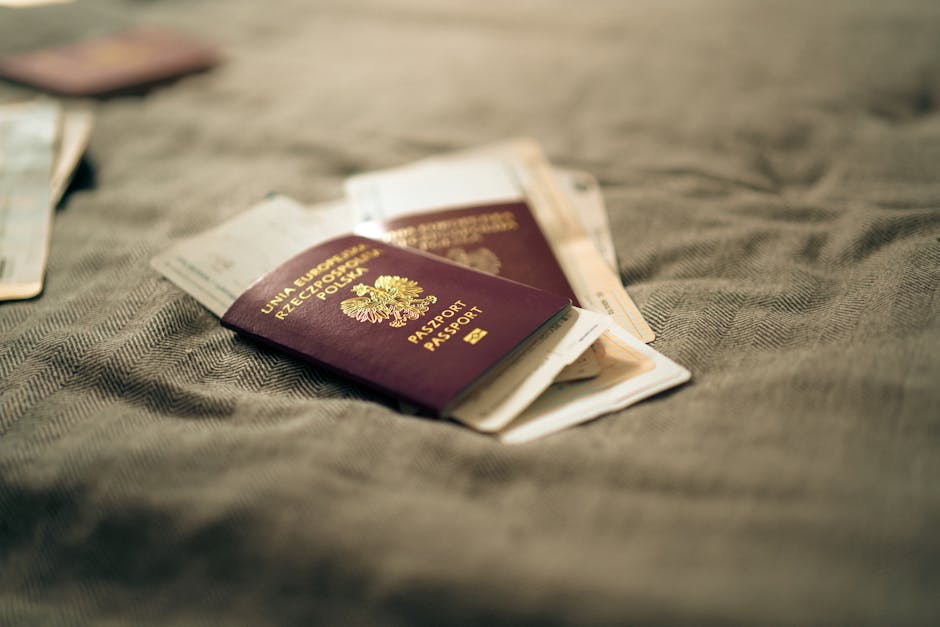
Photo: Jakub Zerdzicki / Pexels
Thailand's Crackdown on Visa Runs: What It Means for Koh Lanta Visitors
Thailand has launched one of its most aggressive immigration enforcement campaigns in years, and the old habit of hopping across a border every few months to reset a tourist entry is now a serious risk. If you live on Koh Lanta long-term, work remotely, or simply spend extended periods in Thailand on back-to-back tourist entries, this affects you directly.
The Campaign and Its Numbers
The Immigration Bureau is running an operation called "No Entry, No Stay, No Escape." Between January and May 2026, nearly 29,500 foreigners were denied entry to Thailand. More than 169,000 names now sit on a pre-boarding blacklist, meaning many people are turned away before they even board their flight. Over 14,000 overstayers and illegal workers have been arrested for deportation, and 668 fraudulent education visas have been revoked.
This is not a sudden shift. Since early 2025, roughly 2,900 foreigners had already been turned away for suspicious entry patterns before the formal campaign launched.
What Officers Are Looking For
Police Major General Choengron Rimphadee, the Immigration Bureau spokesperson, has been clear: tourists making one or two visits a year have nothing to worry about. The campaign targets people chaining tourist entries together to effectively live, work, or run businesses in Thailand without appropriate visas.
The critical change is that officers are now reviewing your full passport history rather than treating each entry in isolation. Repeated back-to-back tourist entries, particularly via land borders, now flag as visa-run behaviour. This can lead to denial at both airports and land crossings.
If you are denied entry, the consequences are significant: deportation at your own expense, possible detention until a return ticket is paid, and difficulty re-entering Thailand for years afterward. Local immigration offices have also been authorised to refuse extensions or cancel existing stays on suspicion of visa-run behaviour, so the risk is not just at the border.
The New Land Border Rule
A rule introduced in late 2025 caps visa-exempt land border entries at two per calendar year. If you have been using land border runs to Penang, the Malaysian border, or anywhere else to extend your stay, that option is now severely restricted.
The 60-Day Exemption Is Shrinking
In May 2026, Thailand's Cabinet approved replacing the current 60-day visa exemption (which applies to 93 countries) with a 30-day allowance covering 54 countries and territories. The change takes effect 15 days after publication in the Royal Gazette, which had not yet occurred as of 14 July 2026. Check the Royal Gazette publication date before making travel plans, as the shorter window could affect your arrival.
Long-Stay Options
If you want to spend significant time on Koh Lanta legally, there are formal visa routes. The Destination Thailand Visa offers 180 days per entry with a 5-year validity, though it requires 500,000 baht held in a personal account for at least three months. Other long-term options include the retirement visa, marriage visa, and Long-Term Resident visa, depending on your situation.
One factor worth knowing: spending 180 days or more in Thailand in a single calendar year triggers tax residency under Thai rules.
The Practical Takeaway
If you are a straightforward tourist spending a few weeks in Koh Lanta once or twice a year, none of this is aimed at you. But if you have been living here year-round on rolling tourist entries, the ground has shifted. Getting the right visa is no longer optional in the way it once felt.
Information sourced from The Thaiger.