
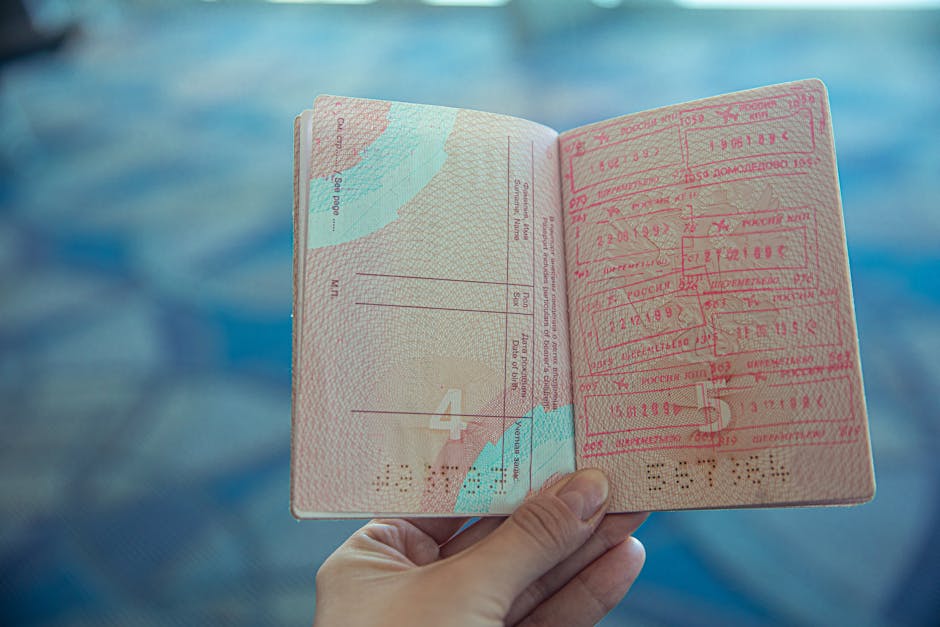
Photo: Ekaterina Belinskaya / Pexels
Thailand Is Ending the 60-Day Visa Exemption for Business Travel
Starting September 15, 2026, Thailand's visa exemption becomes tourism-only. The current 60-day exemption, which allowed some light business activity alongside a holiday, is being replaced by a 30-day exemption that does not permit any kind of work. If you're planning to combine a trip with meetings, installations, or contract signing, this change affects you directly.
What's Changing
The visa exemption most travelers use to enter Thailand is shrinking from 60 days to 30 days, and its scope is narrowing at the same time. Where the old exemption left room for some business activity, the new one is tourism-only, full stop. Anyone arriving to work in Thailand from September 15 onward will need a Non-Immigrant B visa, arranged before travel.
Who This Affects
A few groups are likely to feel this change more than casual holidaymakers:
| Group | Why it matters |
|---|---|
| Consultants on short trips | Can no longer combine sightseeing with client work under the exemption |
| Engineers installing equipment | On-site technical work now requires a proper work visa |
| Conference speakers | Speaking engagements may count as work activity |
| Anyone signing contracts locally | Business dealings fall outside the tourism-only exemption |
What About Remote Workers?
The announcement doesn't explicitly address people working remotely for a foreign employer with foreign-sourced income. That said, the "tourism only" wording is expected to be applied to this group too, so remote workers shouldn't assume they're exempt from the change.
For people in this situation, the Destination Thailand Visa is presented as an alternative worth looking into. It runs longer than the 30-day exemption and is suited to those with foreign-sourced income.
An Unresolved Question
Immigration advisory firm Newland Chase notes that the treatment of Urgent Work Permit applications under the new 30-day exemption is still unclear, pending clarification from Thailand's Department of Employment. Anyone who might need an Urgent Work Permit around this transition should keep an eye out for updates rather than assume the old process still applies.
What Tourists Need to Know
If you're traveling purely for tourism, sightseeing, or a vacation, nothing changes for you. The 30-day exemption still covers ordinary tourist stays.
Where it matters is for travelers who used to rely on the 60-day exemption to combine a holiday with light business activity, like a few meetings or some short-term consulting. That option goes away once the new rules take effect.
There's also a grandfathering provision: anyone entering Thailand before September 15, 2026 keeps whatever stay length they're granted on arrival, under the rules as they stand now. If you already have a trip booked before the cutoff, traveling before September 15 locks in the more permissive terms.
What To Do Before September 15
If you have any work-related travel planned, even something that feels minor or urgent, the safe approach is to treat it as needing a proper visa rather than hoping the visa exemption will cover it. Arrange a Non-Immigrant B visa, or look into the Destination Thailand Visa if you're working remotely with foreign income, before the new rules kick in.
Information sourced from The Thaiger.