
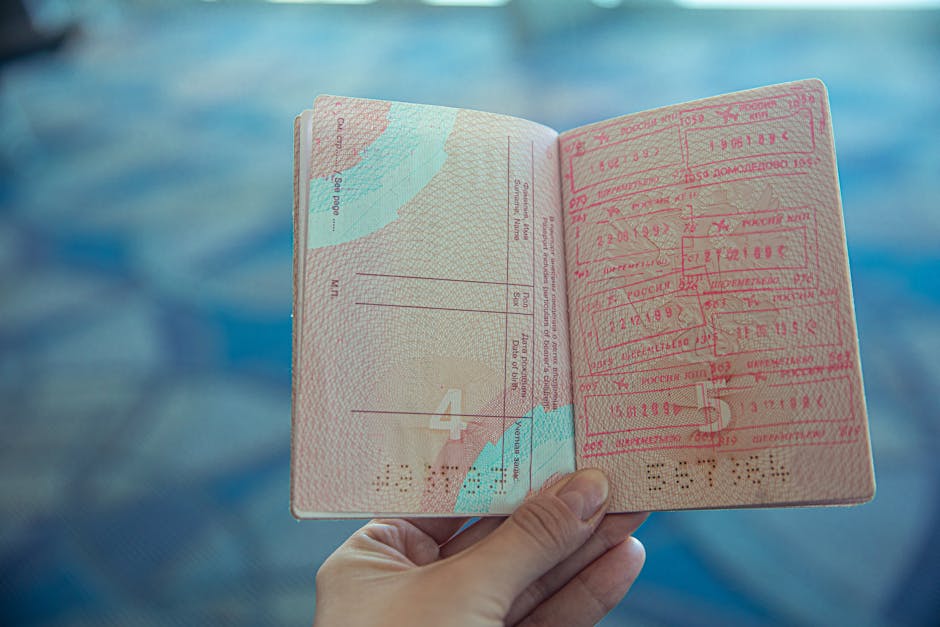
Photo: Ekaterina Belinskaya / Pexels
Thailand's visa exemption rules changed on September 15, 2026, ending the 60-day scheme that had been in place since July 2024. The Ministry of Interior published the new framework in the Royal Gazette on August 31, 2026, and it splits travellers into new categories based on nationality, with different stay lengths, a new cap on land border crossings, and stricter rules on what counts as tourism.
What changed
The old scheme covered 93 countries and territories with a 60-day exemption. Under the new rules, 60 countries and territories get a 30-day visa exemption for tourism only. That list includes Australia, Austria, Bahrain, Belgium, Bhutan, Brunei, Bulgaria, Canada, Croatia, Cyprus, Czech Republic, Denmark, Estonia, Fiji, Finland, France, Georgia, Germany, Greece, Hungary, Iceland, India, Indonesia, Ireland, Israel, Italy, Japan, Jordan, Kuwait, Kyrgyzstan, Latvia, Liechtenstein, Lithuania, Luxembourg, Malaysia, Maldives, Malta, Netherlands, New Zealand, Norway, Oman, Philippines, Poland, Portugal, Qatar, Romania, Saudi Arabia, Singapore, Slovakia, Slovenia, South Africa, Spain, Sweden, Switzerland, Taiwan, Turkey, Ukraine, UAE, UK, and US.
India moves from visa-on-arrival into this 30-day exemption category. Seychelles and Mauritius get a separate 15-day exemption.
Visa on arrival is now limited to just 3 nationalities: Azerbaijan, Belarus, and Serbia, down from a previous list of 31 countries. It costs 2,000 baht cash, lasts 15 days, and cannot be extended. You'll need a passport photo, an onward ticket, and proof of accommodation.
Nationalities dropped from the exemption list
Around 30 nationalities were removed from the 60-country exemption list, including China, Russia, South Korea, Hong Kong, Vietnam, Kazakhstan, Brazil, Argentina, and Mexico. These fall back to existing bilateral agreements instead:
| Stay length | Nationalities |
|---|---|
| 90 days | South Korea, Argentina, Brazil, Chile, Peru |
| 30 days | China, Hong Kong, Kazakhstan, Laos, Macau, Mongolia, Russia, Timor-Leste, Vietnam |
| 14 days (land/international airport arrivals) | Cambodia, Myanmar |
| No bilateral agreement (visa required in advance from Sept 15) | Mexico, Uzbekistan, Sri Lanka, Colombia, among others |
Land border entry cap
Visa-exempt land border entries are now capped at 2 per calendar year. This cap applies to nationals of Malaysia, Brunei, Indonesia, and Singapore, and only affects land crossings, not air arrivals. The Minister of Interior may add more exempt nationalities to this list later.
Extensions and maximum stay
Extension rules haven't changed: travellers can get one extension of up to 30 additional days at any immigration office, for a fee of 1,900 baht. In practice, this means the maximum stay on a 30-day exemption plus extension is 60 days total, down from 90 days under the old 60-day scheme plus extension.
Tourism only
Visa-exempt entry is now restricted strictly to tourism. The previous allowance for short-term business activity under visa-exempt entry has been removed. Anyone in Thailand for business, remote work, investment, or long-term residence should not rely on tourist visa-exempt entry, even if their nationality would otherwise qualify for 30 days.
Grandfathering and transition
Anyone who enters Thailand on or before September 14, 2026 keeps the stay period they were granted on arrival. Travellers already in Thailand under the old 60-day scheme keep their full original period, with no retroactive shortening. If you're already booked to arrive on or before September 14, 2026, these new rules don't affect that trip.
What this means for tourists
Your nationality now determines how long you can stay, so check your specific country's new category rather than assuming the old 60-day exemption still applies. Citizens of the 60 countries on the new tourism list get 30 days, extendable once to a 60-day maximum. If your country is no longer on the exemption list, check whether a bilateral agreement applies before assuming you'll need a visa. Land border "visa runs" are now limited to twice a year for non-exempt nationalities, meaning frequent border-hoppers face shorter stays but aren't restricted on how often they can enter overall.
Information sourced from The Thaiger.