
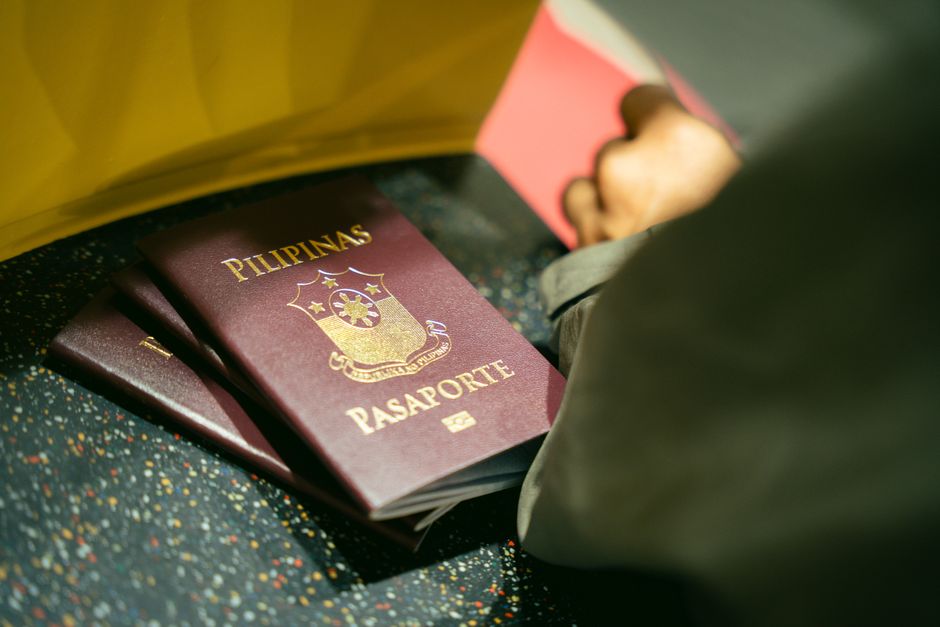
Photo: Kenneth Surillo / Pexels
Thailand's 90-Day Reporting: What Long-Stay Foreigners Need to Know
If you're living in Thailand on a long-term visa, whether retirement, marriage, education, business, or the Destination Thailand Visa (DTV), you're required to report your address to Thai Immigration every 90 days. This is called the TM.47, and it's separate from your visa entirely: it doesn't extend your permitted stay, and having a valid 90-day reporting receipt won't save you if your actual visa has expired. Immigration has tightened enforcement of this rule since 2025, so it's worth understanding exactly how it works.
What 90-Day Reporting Actually Is
The formal name is TM.47, and it's based on Section 37(5) of the Immigration Act B.E. 2522 (1979). It's an address-notification requirement, essentially confirming to Immigration that you're still in Thailand and telling them where you're currently staying. It is not a visa extension, and it does not extend your permitted stay in the country. These are two independent obligations: your visa/permission-to-stay stamp and your 90-day report don't affect each other, so a valid TM.47 receipt won't protect you from an overstay penalty if your visa has lapsed.
Who Has to File
The requirement applies to foreigners on temporary permission who remain in Thailand continuously, including holders of retirement, marriage, education, and business visas. DTV holders are also included. Since the DTV allows stays of up to 180 days per entry, anyone staying continuously on a DTV will typically cross the 90-day threshold and need to report.
There are exceptions:
| Visa type | Requirement instead |
|---|---|
| Long-Term Resident (LTR) Visa | Files TM.95 annually, not every 90 days |
| Smart Visa | Files TM.91 annually, plus a separate reporting obligation to the BOI on visa status |
| Thai permanent residence | Fully exempt from the Section 37 temporary-stay reporting framework |
Note that as of February 2025, the Smart Visa program was restructured and only the SMART-S category (for qualifying startup founders) remains active. Holders of discontinued Smart Visa categories are expected to have transitioned to the LTR visa.
The Filing Window
Immigration sets a specific window for filing:
| Timing | What it means |
|---|---|
| Day 75 | Filing window opens (15 days before the due date). Recommended time to submit online. |
| Day 90 | Nominal due date. Always use the date printed on your last Immigration receipt rather than calculating it yourself. |
| Up to 7 days after day 90 | Still within the published reporting window. |
| Beyond 7 days after day 90 | Considered late. Requires in-person reporting and incurs a fine. |
The recommended practice is to submit online sometime around days 75 to 80, rather than waiting until day 90.
What This Means If You're Visiting or Living on Koh Lanta
If you're a short-term tourist on a standard visa-exempt entry or tourist visa, and you leave before hitting 90 continuous days in Thailand, this doesn't apply to you. It's aimed at long-stay foreigners: retirees, spouses, students, business-visa holders, and DTV holders who stay continuously.
If you do fall into that category, keep track of your due date using your last Immigration receipt, not your own calculation, and aim to file online in the day 75 to 80 window. That gives you a buffer before the fine and in-person filing requirement kick in.
Information sourced from The Thaiger.