
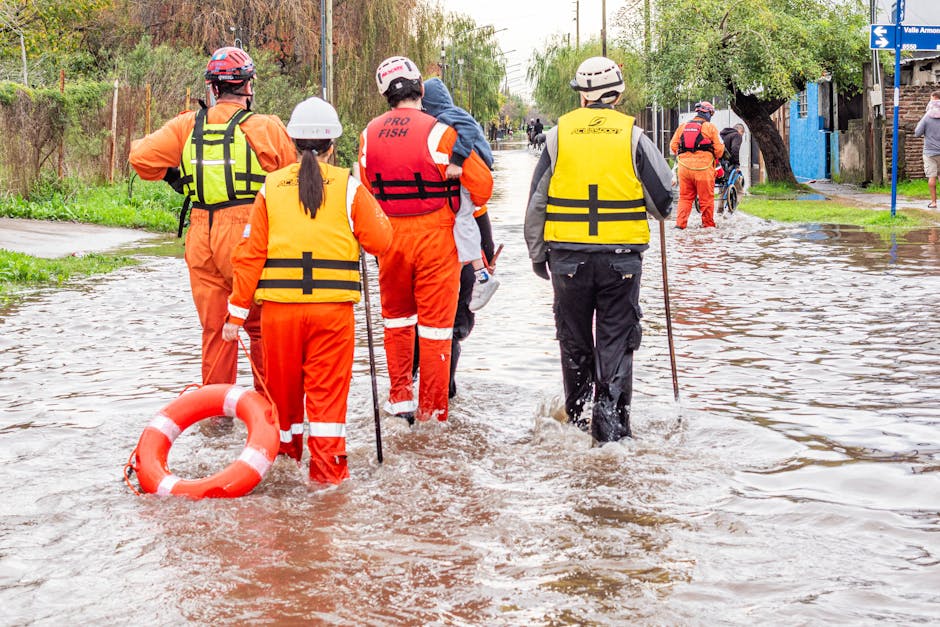
Photo: Juan Moccagatta / Pexels
Floodwater Health Risks in Thailand: What Travellers Should Know
Flooding is hitting the North, Northeast and parts of Central Thailand, and some people are wading, swimming and even jet-skiing in the water. Infectious disease specialist Assoc. Prof. Dr Maria Nina Chitasombat of MedPark Hospital's Infectious Diseases Center warns that floodwater is far from clean. It can carry bacteria, fungi and other germs, with leptospirosis the one to watch most closely. The safest approach is to stay out of it, and to know the early warning signs if you can't.
What's going on
Flooding is affecting streets, homes and farmland across the North, Northeast and parts of Central Thailand. As of late September 2026, flash flood warnings covered 24 provinces. Social media shows people wading, swimming and jet-skiing in the water.
What is actually in floodwater
It isn't just rain. Floodwater mixes municipal sewage overflow, agricultural runoff, animal waste and whatever the drains were holding before they backed up. Rodent urine also gets washed out of burrows and gutters into the street water.
Dr Chitasombat describes it as "a toxic mix of overflowing municipal sewage." When people wade in, germs can get in through skin cuts and scratches, "or through normal skin that has been exposed to water for over three hours."
Infections linked to floodwater
- Waterborne bacterial infections: These include leptospirosis and melioidosis (which is soil-borne). They enter through cuts or mucous membranes.
- Skin and soft tissue infections: Staphylococcus or Streptococcus bacteria can get into scratches or wounds.
- Fungal infections: Athlete's foot and "Hong Kong foot" come from keeping skin immersed for a long time.
- Dengue: As water recedes and sits stagnant, mosquito numbers spike. The dengue risk rises in the weeks that follow.
Leptospirosis in more detail
Leptospirosis is a zoonotic disease caused by the bacterium Leptospira. It is found in the urine of infected animals, mainly rats and dogs, which carry it without showing symptoms. In warm, wet conditions the bacteria can survive for weeks.
There are three main ways it gets into the body:
- Through skin cuts and scratches.
- Through intact skin that has been exposed to water for more than 3 hours. Waterlogged skin softens and loses its barrier function.
- Through splashes to the eyes, nose or mouth.
It is most common in rice farmers in the North and Northeast, who stand in flooded paddies for hours. Urban flooding creates the same kind of exposure.
Who is most at risk
Not everyone exposed gets infected, and severe disease affects a minority. Some groups are more vulnerable:
- Older adults and immunocompromised people, including those with diabetes, liver disease or kidney disease, or who take immunosuppressant drugs. They should avoid floodwater entirely if possible.
- Anyone with open cuts, scratches, eczema or existing athlete's foot.
- Rescue workers, sanitation crews and street vendors who spend long periods in water without protective gear.
Early symptoms to watch for
Early leptospirosis looks like flu or dengue: sudden high fever, muscle aches and severe headache. Two features help point towards leptospirosis:
- Intense calf pain, more prominent than the general aches.
- Conjunctival suffusion, where the whites of the eyes become deeply red and swollen.
Practical tips for visitors
- Don't wade, swim or play in floodwater, jet-skiing included. Splashes to the eyes, nose or mouth count as exposure.
- If you have to go through it, keep the time short and cover any cuts first. Rinse and dry your skin afterwards.
- If you are older, immunocompromised or diabetic, or have open wounds, eczema or athlete's foot, take extra care.
- If you develop flu-like illness with severe calf pain or very red eyes in the days after exposure, get seen at a hospital.
- Expect a dengue risk in the weeks after the flooding recedes, so use mosquito protection.
Information sourced from The Thaiger.