
Photo: 海风 张 / Pexels
Thailand's aviation regulator has clarified a luggage rule that has been in force since 16 October 2026. Airport officials can open your checked bag without you being there if they suspect banned goods inside. It applies to domestic flights as well as international flights that start in Thailand, so a hop from Krabi to Bangkok is covered. Flights arriving in Thailand are not. This follows a complaint from a domestic passenger whose bag was opened while they were absent.
What the rule says
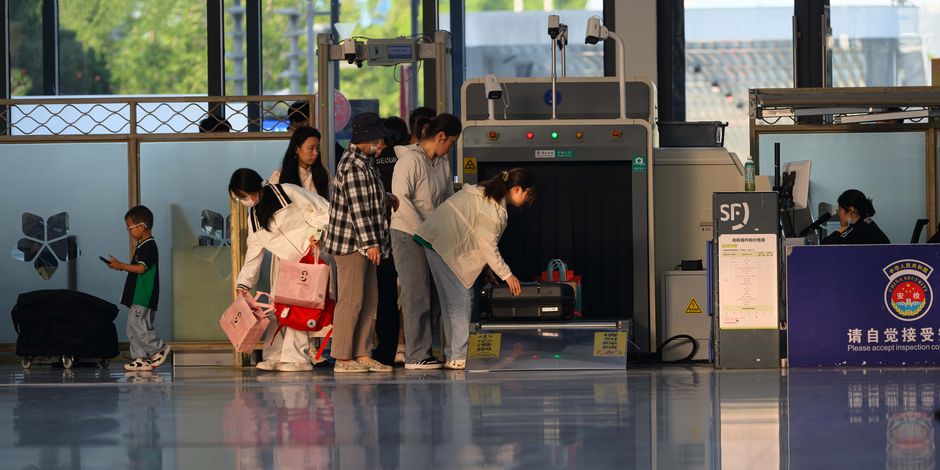
The Civil Aviation Authority of Thailand (CAAT) issued the warning on Sunday 25 October 2026. Under the rule, airport officials may open any checked bag without the owner present, as long as they suspect banned goods are inside. This happens during scanning, before the bag is loaded onto the aircraft.
The rule covers domestic travellers, not only people leaving the country. It does not apply to inbound passengers. Inspection is the responsibility of the airport where you board.
What triggered the clarification
CAAT put out the clarification after a domestic passenger complained that their bag had been opened while they weren't there. CAAT confirmed the incident:
- Officials found a battery-powered electronic device in the bag.
- The bag had no TSA-approved lock, so officials cut the zipper to search it.
- An inspection notice was left inside the bag.
CAAT gave no date or location for the incident, and no other details.
What a TSA-approved lock does
A TSA-approved lock lets security open, inspect and relock a checked bag using a universal master key, without breaking the lock. Without one, a bag that officials decide to open risks damage, such as a cut zipper or a broken lock.
What this means for you
Any checked bag on a flight departing a Thai airport, domestic or international, can be opened without you there. Some practical steps:
- Use a TSA-approved lock, or leave the bag unlocked.
- Photograph the packed bag before and after closing it. CAAT advises keeping the photos as evidence in case items are lost or damaged during an inspection.
- Keep batteries, power banks and similar items in your carry-on, in line with usual airline rules. (This is general practice, not something the article states.) The one confirmed case involved a battery-powered electronic device, so devices with batteries seem a likely trigger.
- Check inside your bag after landing for an inspection notice, and report any damage or loss to the airline.
Information sourced from Bangkok Post.